We believe informed clients make better decisions. These resources are designed to help homeowners, tenants, businesses, and property managers understand mold conditions, moisture issues, and the New York State mold assessment process.
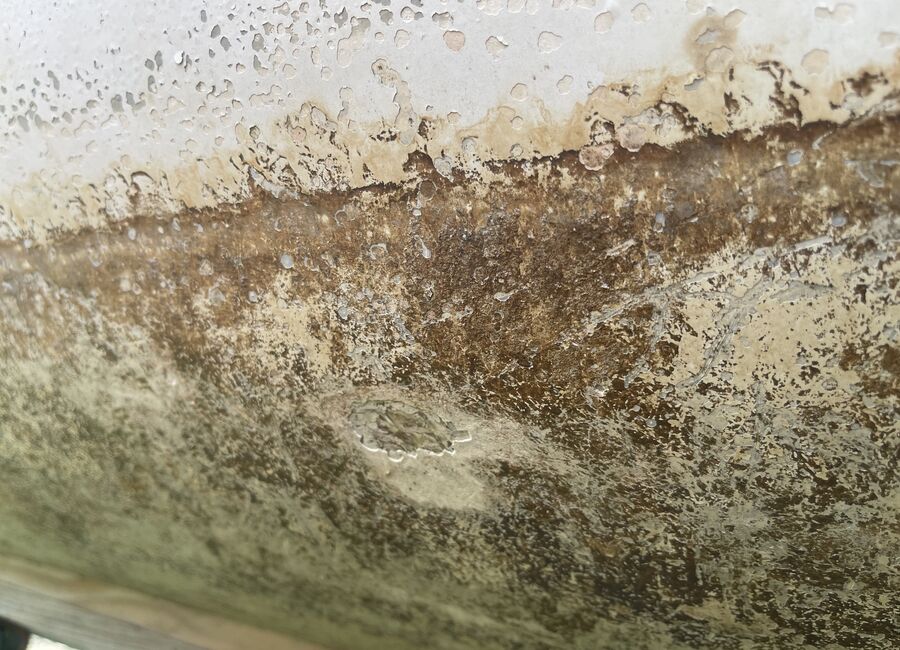
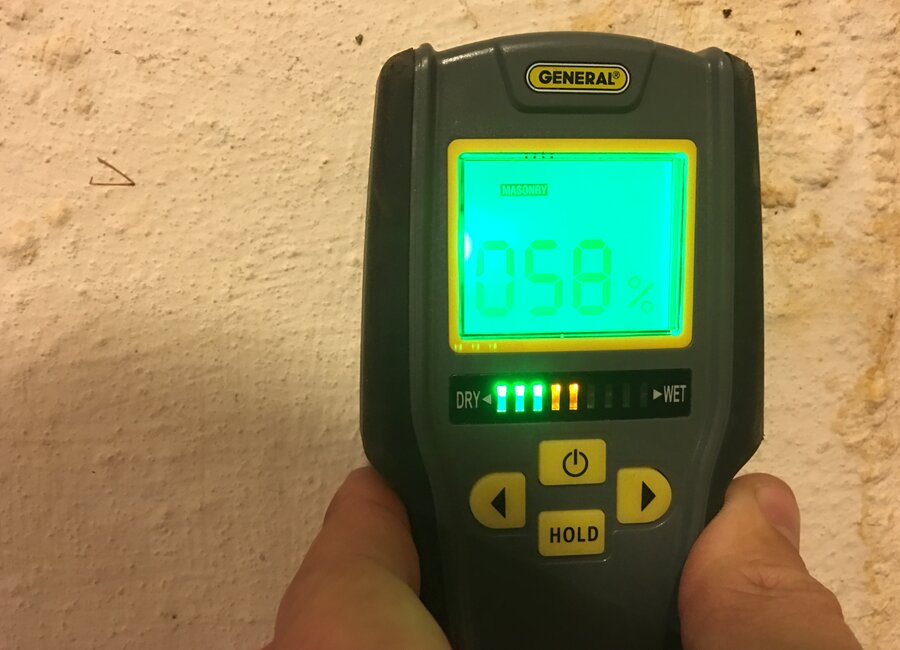
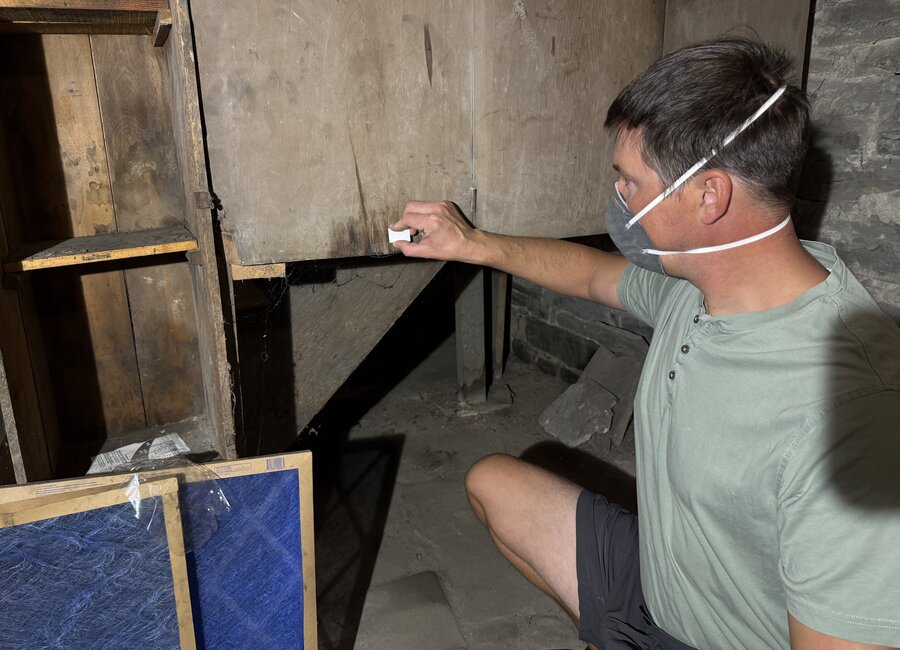
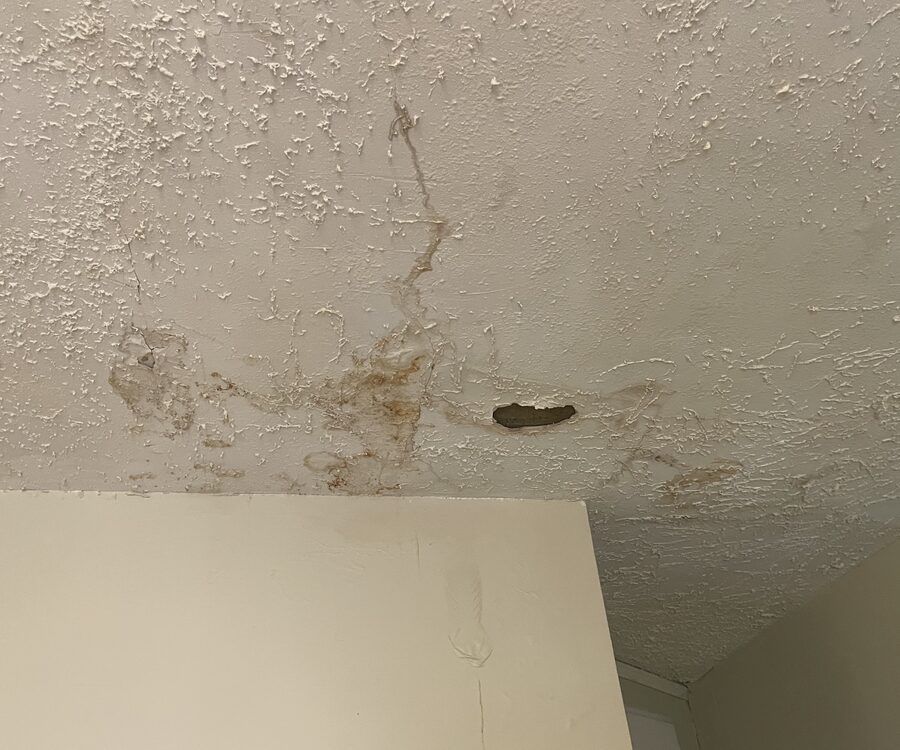
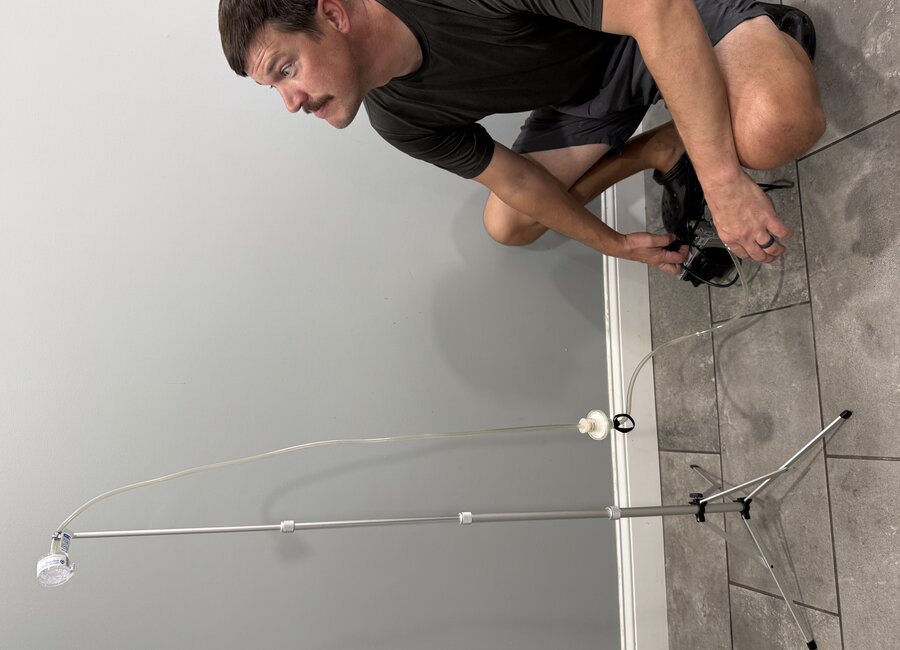
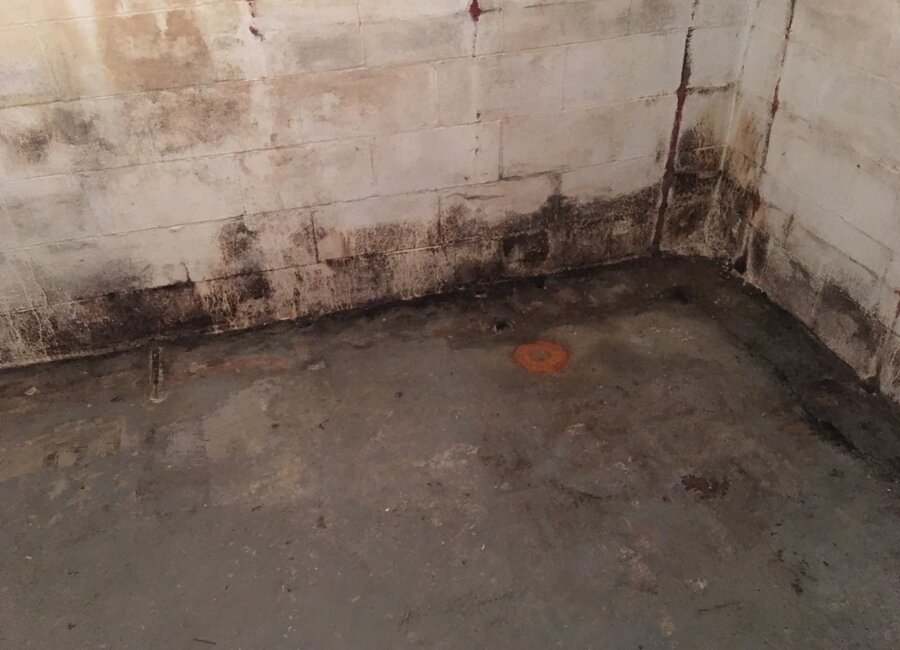
A mold assessment is a professional evaluation of a property to identify mold conditions, moisture intrusion issues, and building conditions contributing to potential mold growth. In New York State, mold assessments for regulated projects must be performed by a licensed mold assessor under Article 32 of the Labor Law.
A mold assessment may include:
The goal is not only to identify visible mold concerns, but to determine the underlying conditions contributing to the problem.
Not always. In some situations, visible mold growth and moisture issues can be identified through professional inspection alone. However, laboratory testing is often valuable in confirming findings, identifying mold types, establishing baseline conditions, and providing additional documentation.
Testing may be especially useful when:
New York State Article 32 regulates mold assessment and mold remediation activities for qualifying projects, primarily to protect consumers through the separation of assessment and remediation services.
This separation helps reduce conflicts of interest by preventing the same company from both identifying and profiting from large remediation projects.
Attic mold is often caused by excess moisture and poor ventilation. Common contributing factors include:
Many attic mold issues are actually moisture and ventilation problems rather than roofing failures alone — identifying the underlying cause is key to preventing mold from returning.
Yes. Mold can return if the underlying moisture source is not properly corrected. Mold growth is typically associated with water intrusion, condensation, humidity, leaks, ventilation deficiencies, or poor drainage and building envelope issues.
Even after remediation is completed, continued moisture problems can allow mold to regrow — which is why identifying and correcting the root cause is one of the most important parts of the process.
Not all mold situations are equal. The presence of mold does not automatically mean a property should not be purchased, but it's important to understand:
A professional mold assessment can help buyers understand the conditions present and make more informed decisions during a real estate transaction.
Post-remediation verification, sometimes called clearance testing, is performed after mold remediation work has been completed to help determine whether the work appears complete, containment materials have been removed appropriately, and indoor conditions have improved.
Depending on the project, it may include visual inspection, moisture measurements, air sampling, surface sampling, and documentation and reporting.
Mold Assessment is performed by a licensed mold assessor and focused on identifying mold conditions, investigating moisture sources, and developing remediation recommendations and work plans.
Mold Remediation is performed by a licensed mold remediation contractor and focused on physically removing or cleaning affected materials, containment procedures, HEPA vacuuming, and cleaning activities.
New York State separates these roles to help protect consumers from conflicts of interest.
Air sampling may be useful when mold is suspected but not visible, occupants are experiencing health-related concerns, baseline indoor/outdoor comparisons are needed, post-remediation verification is being performed, hidden contamination is suspected, or real estate transactions require documentation.
Air sampling is only one part of the assessment process and should generally be interpreted alongside visual observations, moisture conditions, building history, occupant concerns, and laboratory analysis.
Moisture problems are often the underlying cause of mold growth. Common signs include:
Hidden moisture issues may exist behind walls, above ceilings, below flooring, or within attic and crawlspace areas. Professional moisture investigation can help identify conditions not readily visible during a casual inspection.
Not always, but laboratory analysis is often valuable in confirming findings, identifying mold types, and providing additional documentation regarding the conditions present in a property.
NY Mold Group focuses primarily on independent mold assessment services, remediation guidance, and limited sanitization services where permitted under applicable regulations.
We primarily serve Ithaca, Cortland, the Finger Lakes, and surrounding areas throughout Central New York.
Assessment times vary depending on the size and complexity of the property, but many residential assessments are completed within a few hours.
Mold growth is typically associated with moisture issues such as leaks, condensation, humidity, poor ventilation, or water intrusion.
Yes, if the underlying moisture source is not properly corrected.
Assessments may include visual inspection, moisture investigation, documentation, photographs, thermal imaging, and laboratory sampling when appropriate.
Yes. Written findings and remediation guidance are provided when applicable.
Reach out and we'll walk you through what an assessment for your property would look like.
